
20 products

How I Keep Myself Safe (Hardcopy)
KES 2,000.00
How I Keep Myself Safe is a body safety book built specifically for the Muslim household. It is well known that children, especially female children undergo all forms of sexual abuse from a young age. This book addresses such issues in a manner that's simple to understand for kids between the ages of 4 and 13. It's suitable to both boys and girls, includes q&a sections and coloring sections to make the book engaging for the kids.
In total, the book accumulates over 70 pages and is available in both softcopy and hardcopy versions.
Fatawa for Muslim Woman
KES 5,000.00
Very beautiful collection of Fatwa intended for the Muslim woman, in Aqida, adorations, transactions and behavior.
The Fatawas are those of great scholars Rabbaniyun: Muhammad ibn Ibrahim al-Shaykh, as-Sa'di, Abdallah ibn Humayd, Ibn Baz, al-'Uthaymin, Ibn Jibrin, al-Fawzan.
Very nice quality of edition, authentication of hadiths, + of 1100 pages.
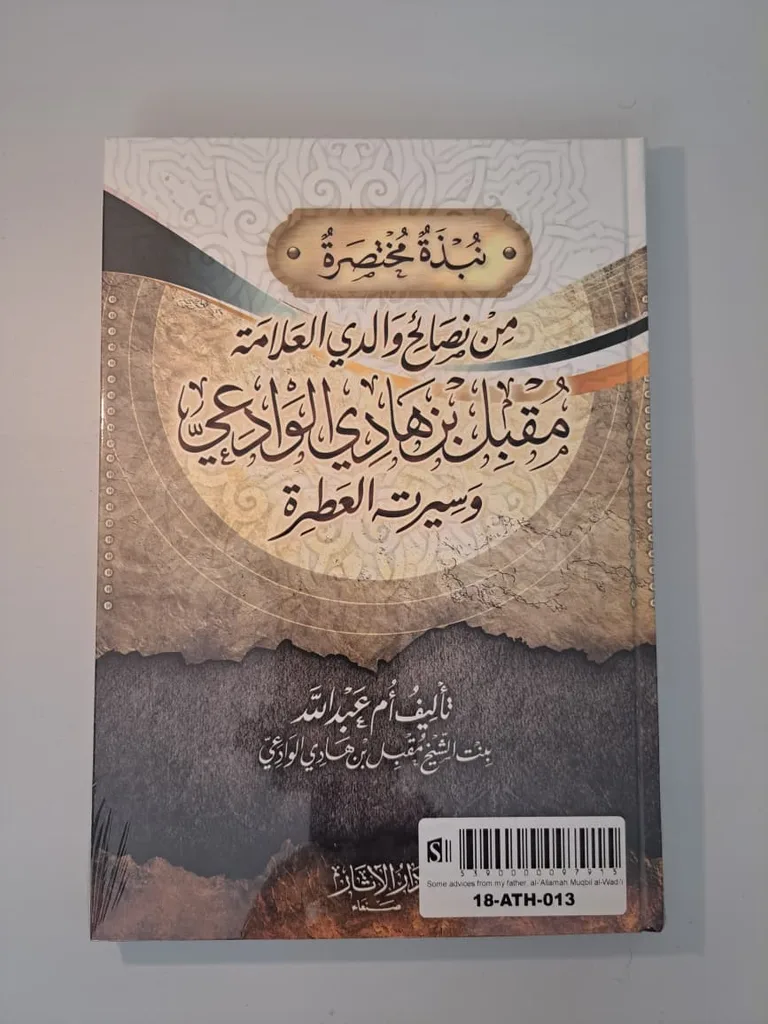
Some advice from my father, al-'Allamah Muqbil ibn Hadi al-Wadi'i
KES 3,600.00
The daughter of Sheikh Muqbil al-Wadi'y makes us a beautiful gift in this item which brings many tips and guidelines that gave him his father, Reviver of the Salafi Da'wah in Yemen, Imam Muqbil ibn Hadi al-Waadi'iee.
The second part of the book is a very interesting biography in particular point of view of the Talab al-Ilm.
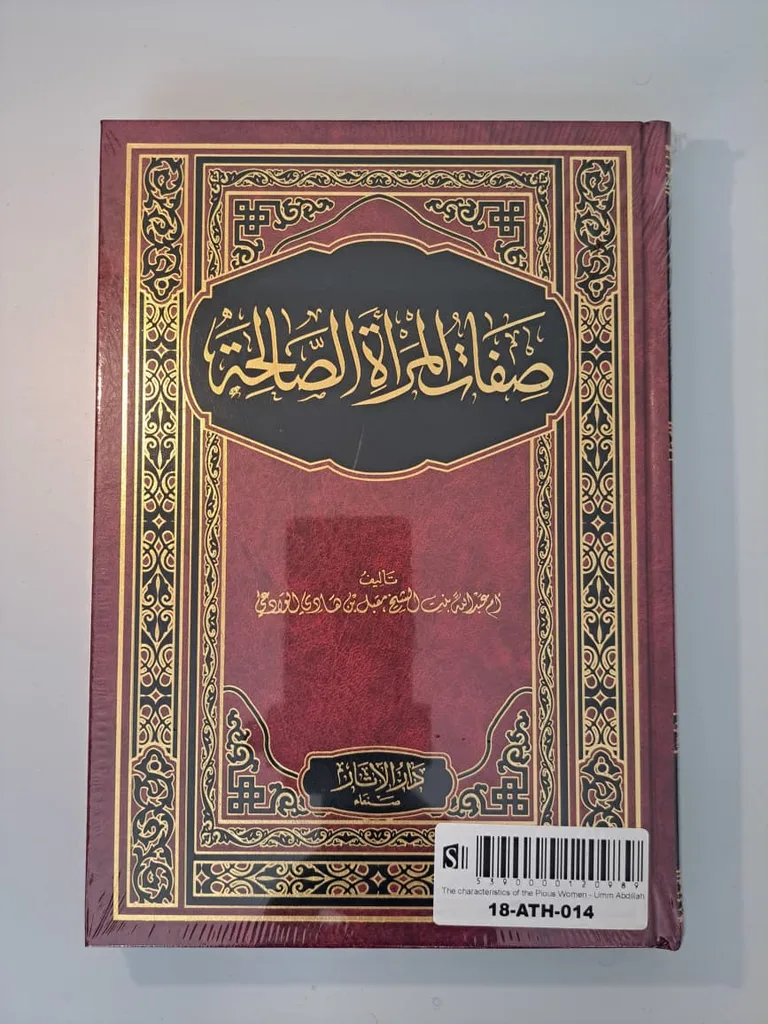
The characteristics of the Pious Women - Umm Abdillah bint Muqbil
KES 5,500.00
Here is the new book by the daughter of Sheikh Muqbil, Umm Abdillah: Sifaat al-Mar-ah as-Saalihah.
Many chapters on the qualities (adoration and behaviors) that women must acquire or have to be part of the pious women and the things she has to abandon.
Yemeni publishing good quality (Lebanese printing).
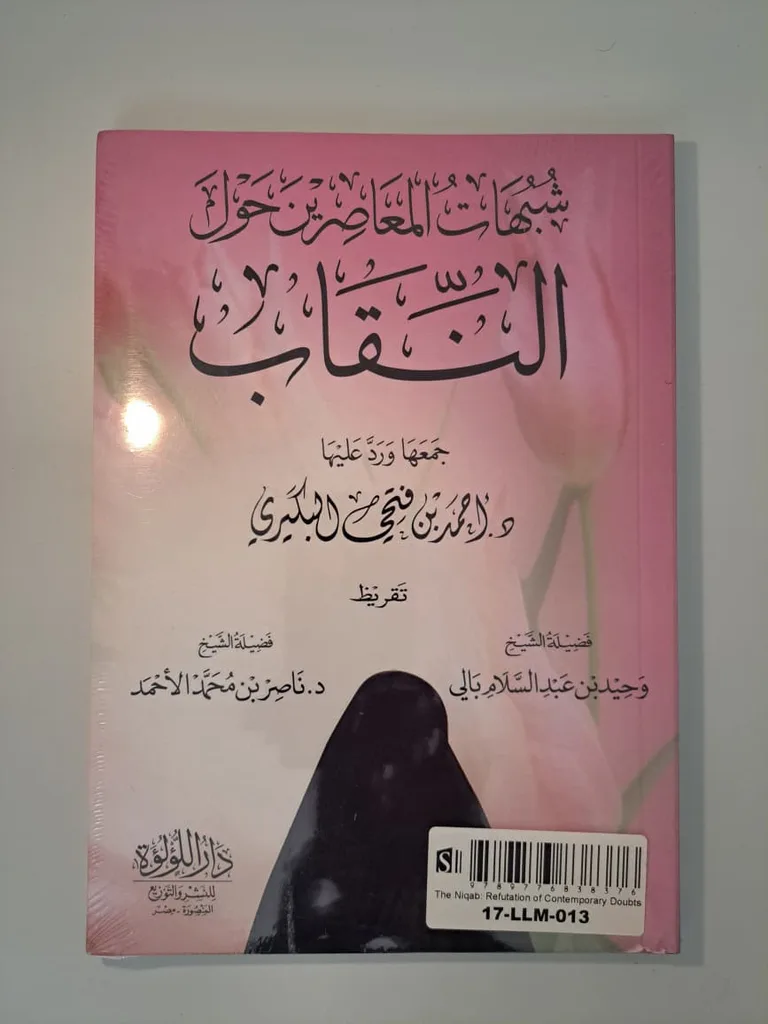
The Niqab: Refutation of Contemporary Doubts and Criticisms
KES 2,000.00
This book by Sheikh Ahmad ibn Fathi al-Bakiri, titled "Contemporary Doubts about the Niqab", addresses and refutes current arguments, doubts, and misconceptions surrounding the practice of the niqab. The author responds to 18 common doubts or misunderstandings about the niqab. Drawing upon Quran and Sunnah and scholarly interpretations, the author defends the legitimacy and importance of the niqab, seeking to clarify its basis within the tradition. This study is notably endorsed with commendations by the respected contemporary scholars Sheikh Wahid ibn 'Abd al-Salam Bali and Sheikh Nasser ibn Muhammad al-Ahmad.
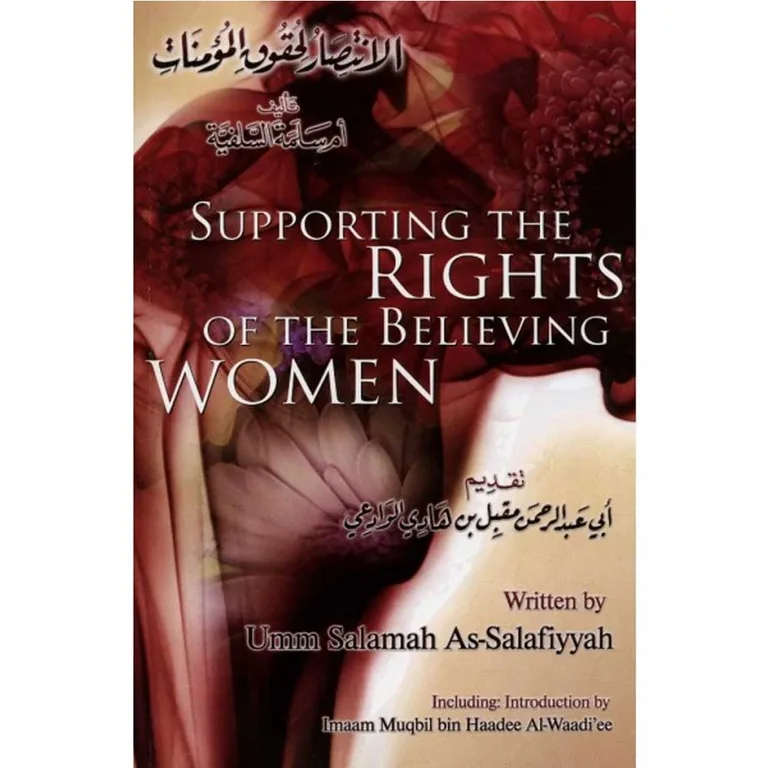
Supporting the rights of the believing women by Umm Salamah As-Salafiyyah
KES 5,000.00
‘Verily in the author are gathered some praiseworthy traits: these include abstaining from worldly pleasures, exemplary character, spreading beneficial knowledge, not wasting her time. She spends her time by herself in the women’s library, substitute teaching for Umm ‘ Abdillah Al-Waadi’iyyah when she is absent, and effective lecturing.
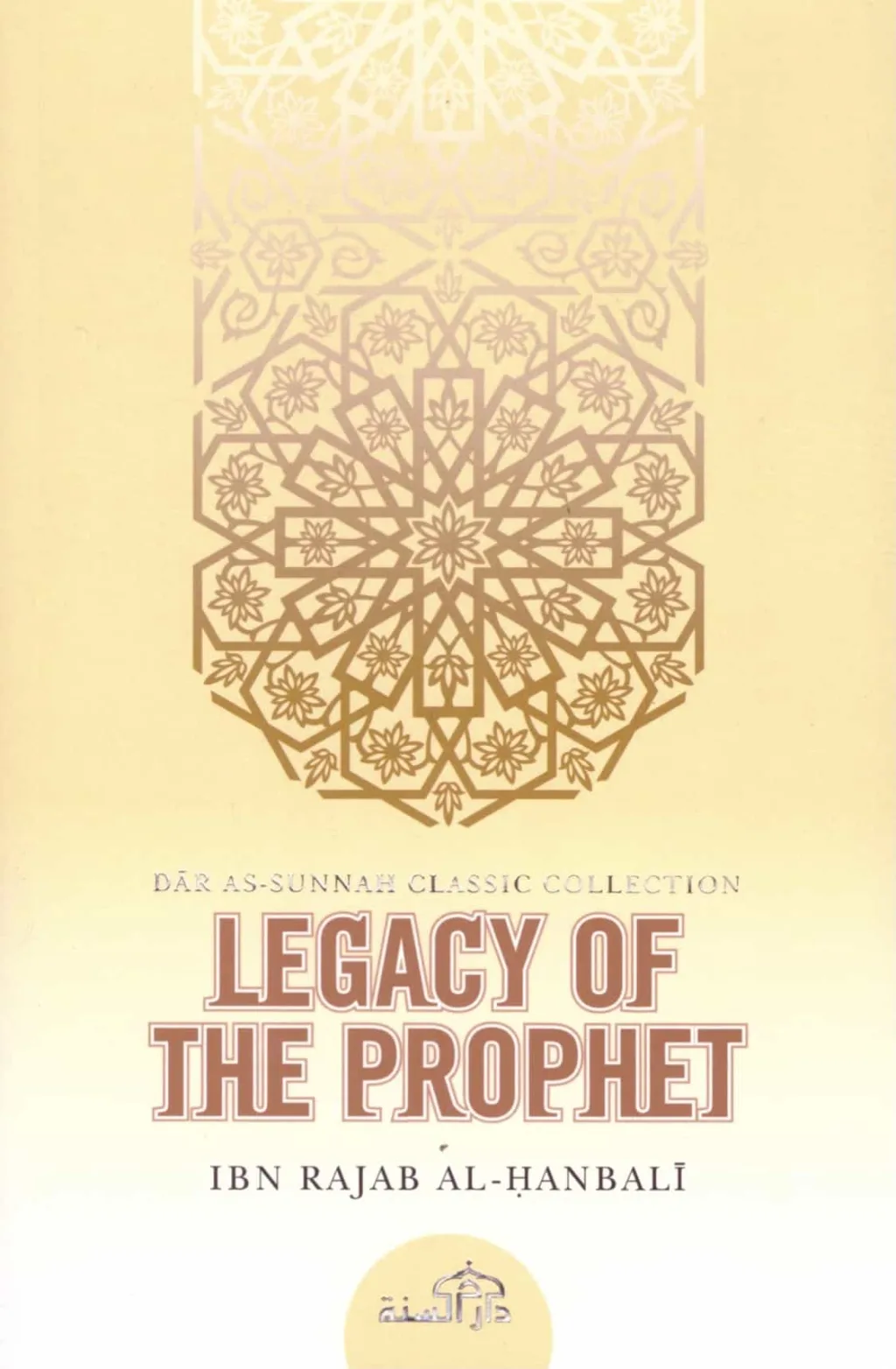
The Legacy of the Prophet صلی الله علیه وآله وسلم
KES 2,500.00
The spiritual and worldly life of a Muslim is focused on Allah. Success in both entails knowing ALLAH, Loving Him, trusting Him and worshipping Him alone. It requires the Muslim to learn his religion, discipline his soul and refine his conduct. The Muslim must have firm faith that everything that happens to him in this life is good for him, that his Lord would never decree anything that would be detrimental and, as such, he is required to be patient and steadfast in the face of adversity and grateful at times of ease.
In this treatise, the author, ibn Rajab sets out o explain the advice the Prophet صلی الله علیه وآله وسلم imparted to ibn ‘Abbas رضی الله عنه, ”Safeguard ALLAH and He Will safeguard you. Safeguard ALLAH and you will find Him in front ou you. Know ALLAH in times of ease and Hie will know you in times of hardship. When you ask, ask Allah. When you seek aid, turn to ALLAH. The Pen has dried (after having written)all that will occur….
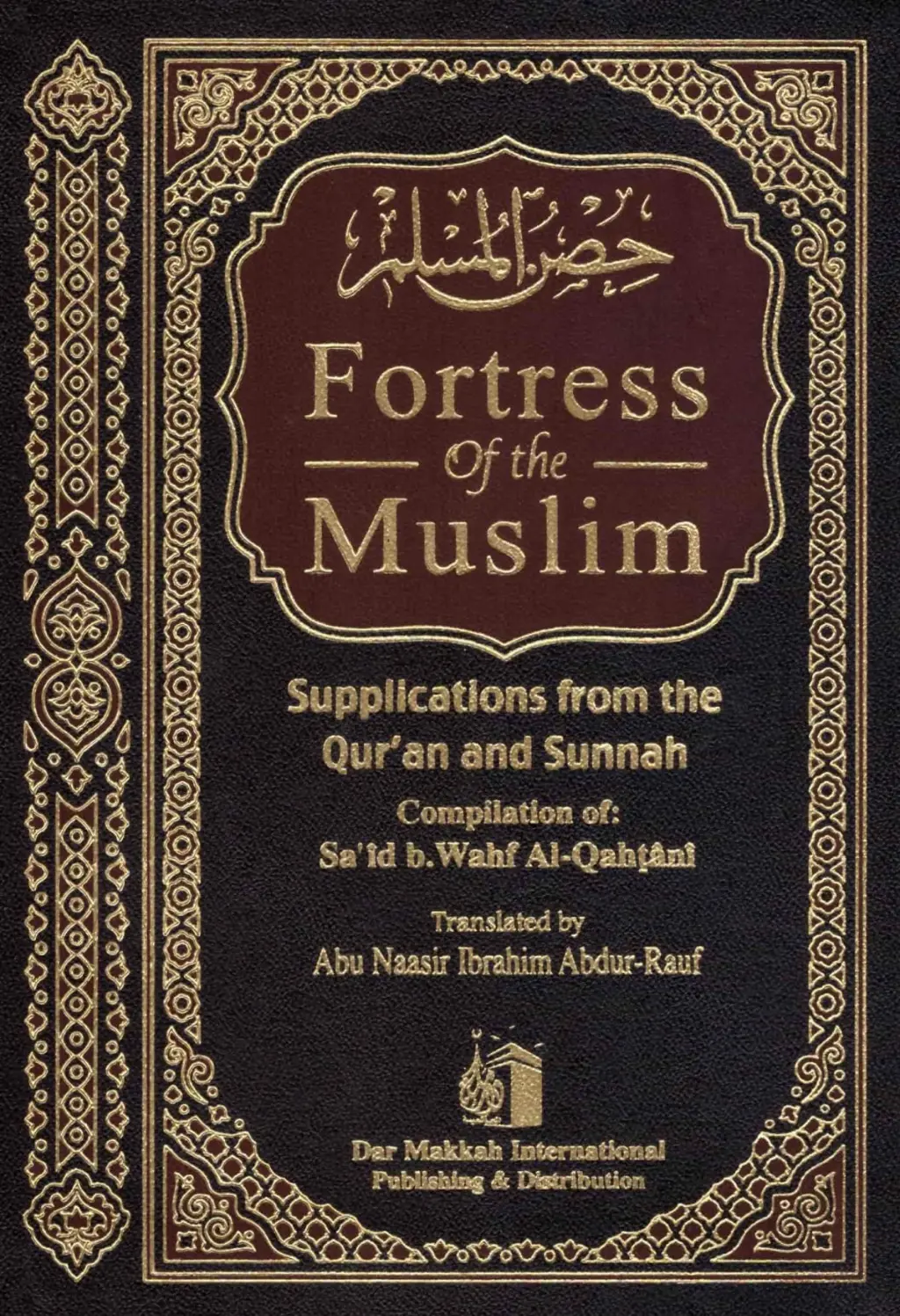
Fortress of the Muslim A5
KES 1,700.00
Translation of Hisnul-Muslim. (aka ‘Citadel of the Believer’)
This is a very beautiful booklet that consists of many authentic Dua’s (supplications) for a Muslim to supplicate on a daily basis and on special occasions.
Author’s Note:
This book is an abridgement of my earlier work entitled, Adh-Dhikr wad-Du’a wal-‘llaj bir-Ruqyah mina’-Kitab was-Sunnah. In order to make it small and easily portable, I have chosen only the section on words of remembrance for this abridgement. To achieve this, I only mentioned the text of the words of remembrance instead of the entire Hadith. I also limited myself to mentioning only one or two references from the original book for each Hadith.
Said bin Ali bin Wahaf Al-Qahtani
“Fortress of the Muslim” (Hisnul Muslim) is a renowned collection of authentic supplications and remembrances (azkar) from the Quran and Sunnah, compiled by Sa’id bin Ali bin Wahf Al-Qahtani.
-This essential book for Muslims offers a wide array of prayers for various daily activities and situations, from waking up to going to sleep, seeking forgiveness, protection, and guidance.
-The concise and accessible format, combined with the authenticity of the sources, makes it an invaluable companion for those seeking to enhance their spiritual practice and connect more deeply with their faith.
-Whether you are a new learner or a seasoned practitioner, “Fortress of the Muslim” serves as a practical and inspirational guide to daily worship and spiritual reflection.
Publisher: Dar Makkah International for Publishing & Distribution
This is a very beautiful booklet that consists of many authentic Dua’s (supplications) for a Muslim to supplicate on a daily basis and on special occasions.
Author’s Note:
This book is an abridgement of my earlier work entitled, Adh-Dhikr wad-Du’a wal-‘llaj bir-Ruqyah mina’-Kitab was-Sunnah. In order to make it small and easily portable, I have chosen only the section on words of remembrance for this abridgement. To achieve this, I only mentioned the text of the words of remembrance instead of the entire Hadith. I also limited myself to mentioning only one or two references from the original book for each Hadith.
Said bin Ali bin Wahaf Al-Qahtani
“Fortress of the Muslim” (Hisnul Muslim) is a renowned collection of authentic supplications and remembrances (azkar) from the Quran and Sunnah, compiled by Sa’id bin Ali bin Wahf Al-Qahtani.
-This essential book for Muslims offers a wide array of prayers for various daily activities and situations, from waking up to going to sleep, seeking forgiveness, protection, and guidance.
-The concise and accessible format, combined with the authenticity of the sources, makes it an invaluable companion for those seeking to enhance their spiritual practice and connect more deeply with their faith.
-Whether you are a new learner or a seasoned practitioner, “Fortress of the Muslim” serves as a practical and inspirational guide to daily worship and spiritual reflection.
Publisher: Dar Makkah International for Publishing & Distribution
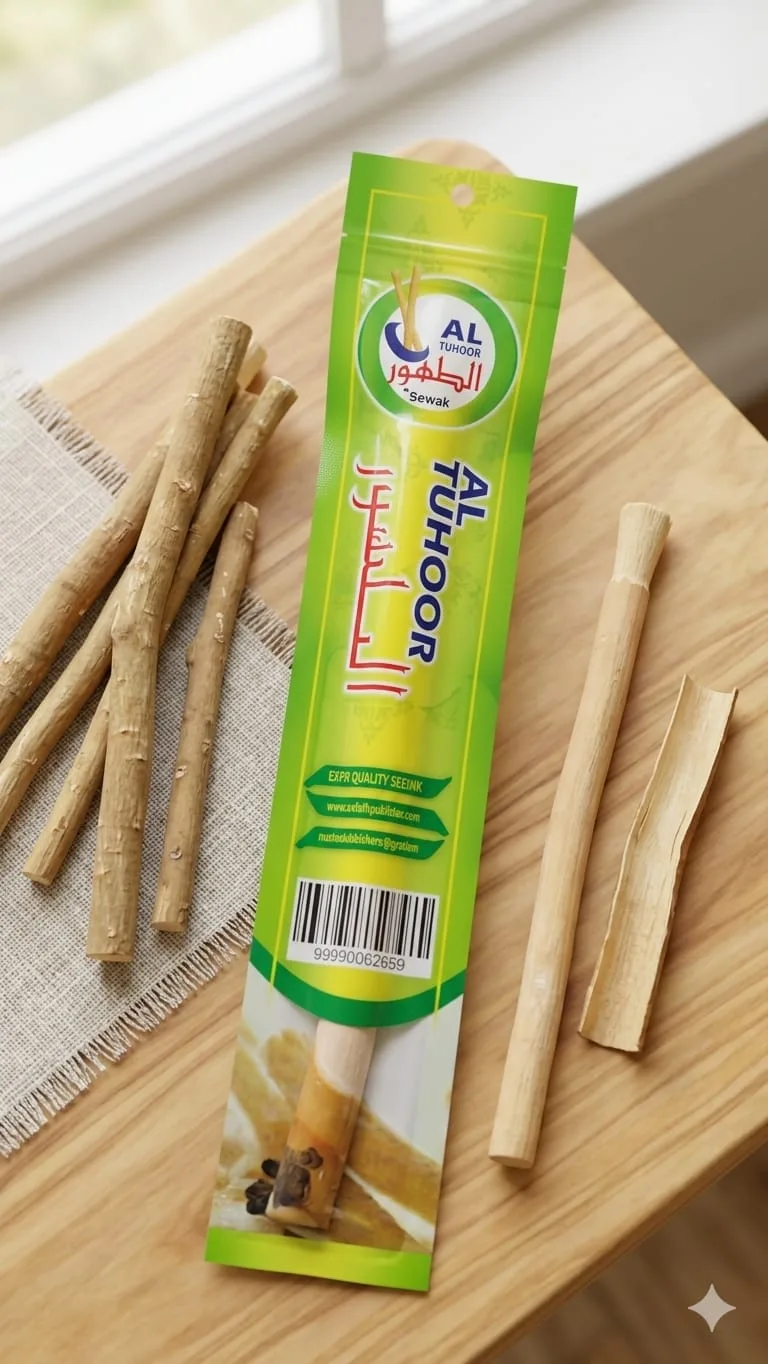
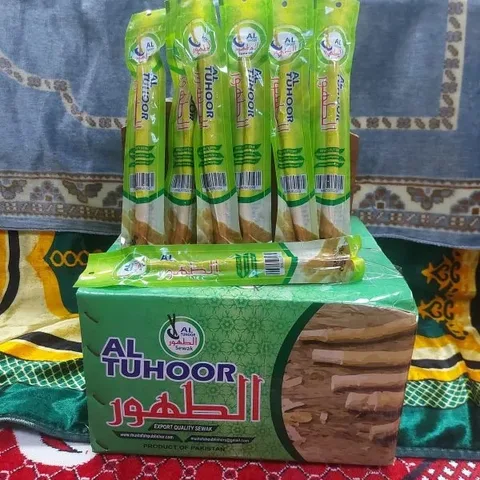
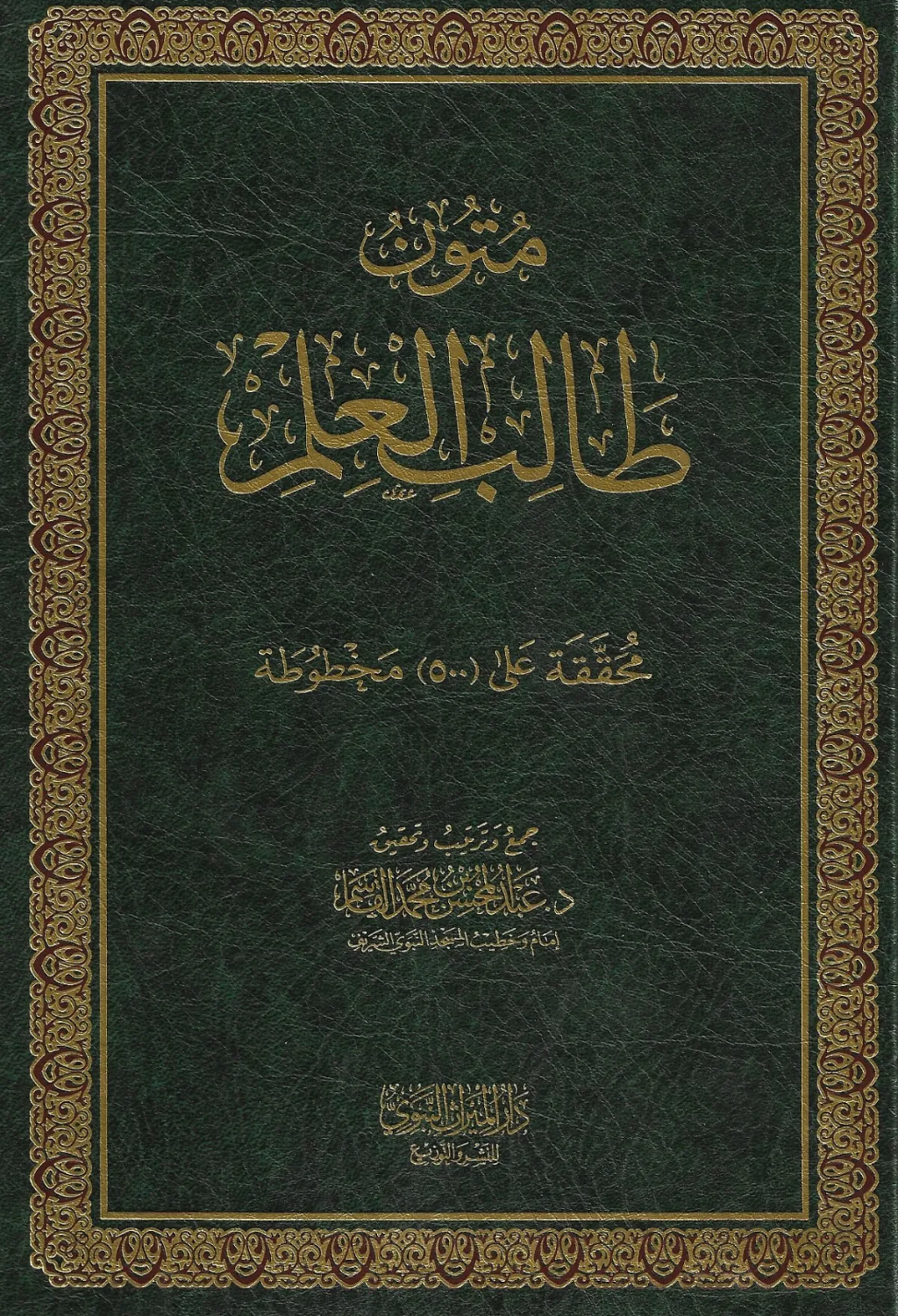
MUTUN TALIB AL-ILM – ABDUL MUHSIN AL-QASIM
KES 4,500.00
Brought together at last in a superb, high-quality volume — 100% Harakat — this edition combines the four booklets of Mutun Talib al-‘Ilm into one large, durable reference designed for serious students. It presents the first four official levels compiled by Shaykh ‘Abd al-Muhsin al-Qasim, gathering twenty core texts in creed, fiqh, hadith, usul, and Arabic, arranged progressively from foundational memorisation to structured study. The selection is known for clarity, brevity, and pedagogical strength, forming a coherent curriculum widely used in institutes and study circles.
The volume includes: Nawaaqid al-Islaam, al-Qawaa'id al-Arba'a, Al-Usool ath-Thalaatha, Al-Arba'een an-Nawawi, Tuhfatul-Atfaal (tajweed), Shuroot as-Salaah wa Arkaanuhu (fiqh), Kitaab at-Tawheed (aqeedah), al-Bayquniyah (mustalah al-hadeeth), Mandhumat Abi Ishaaq al-Albeeree, al-Ajrumiyyah, Al-Aqeedah al-Wasitiyyah, Matn al-Waraqaat (usool al-fiqh), 3unwaan al-Hikam, Matn ar-Rahbiyyah, Al-'Aqeedah Tahaawiyyah.
A complete, progressive handbook for students entering the traditional Islamic sciences.
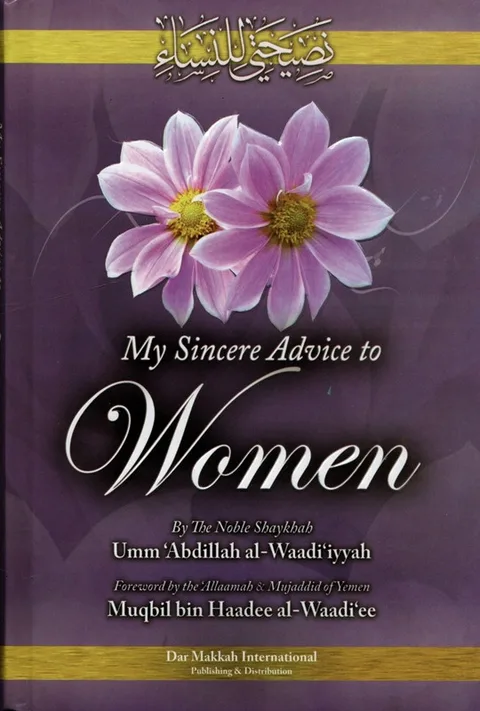
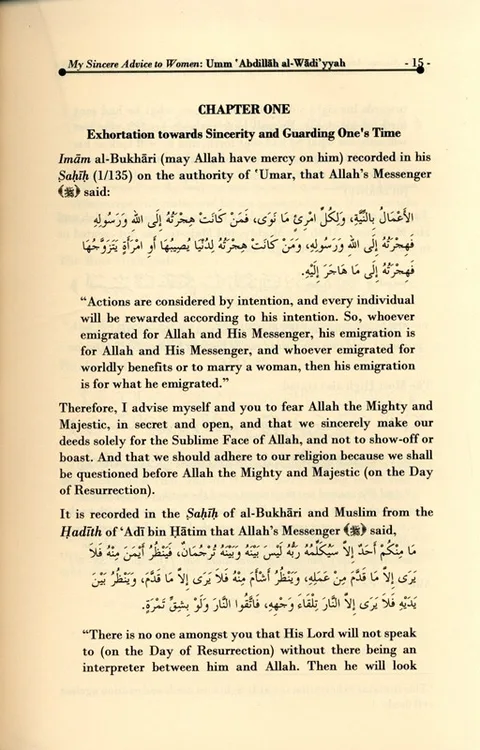
My Sincere Advice to Women by Umm Abdillah al-Waadiyyah
KES 4,600.00
My sincere Advice to Women by Umm Abdillah al-Waadiyyah. This is the third edition of the book “My Sincere Advice to Women”. It contains corrections and addendum’s that would tackle female matters, especially as most women – May Allaah guide them – are ignorant of the matters of their religion and are inclined to worldly affairs, Hence they can neither distinguish between bad and good nor between lean and fat, and the truth has become mixed up with falsehood to them, thereby the truth becomes falsehood and falsehood becomes truth. This book contains sincere advice to the women, it is followed by questions and answers that were presented to the women and which they undertook the task of answering. I have chosen from one of their responses to be added to the advice to women.
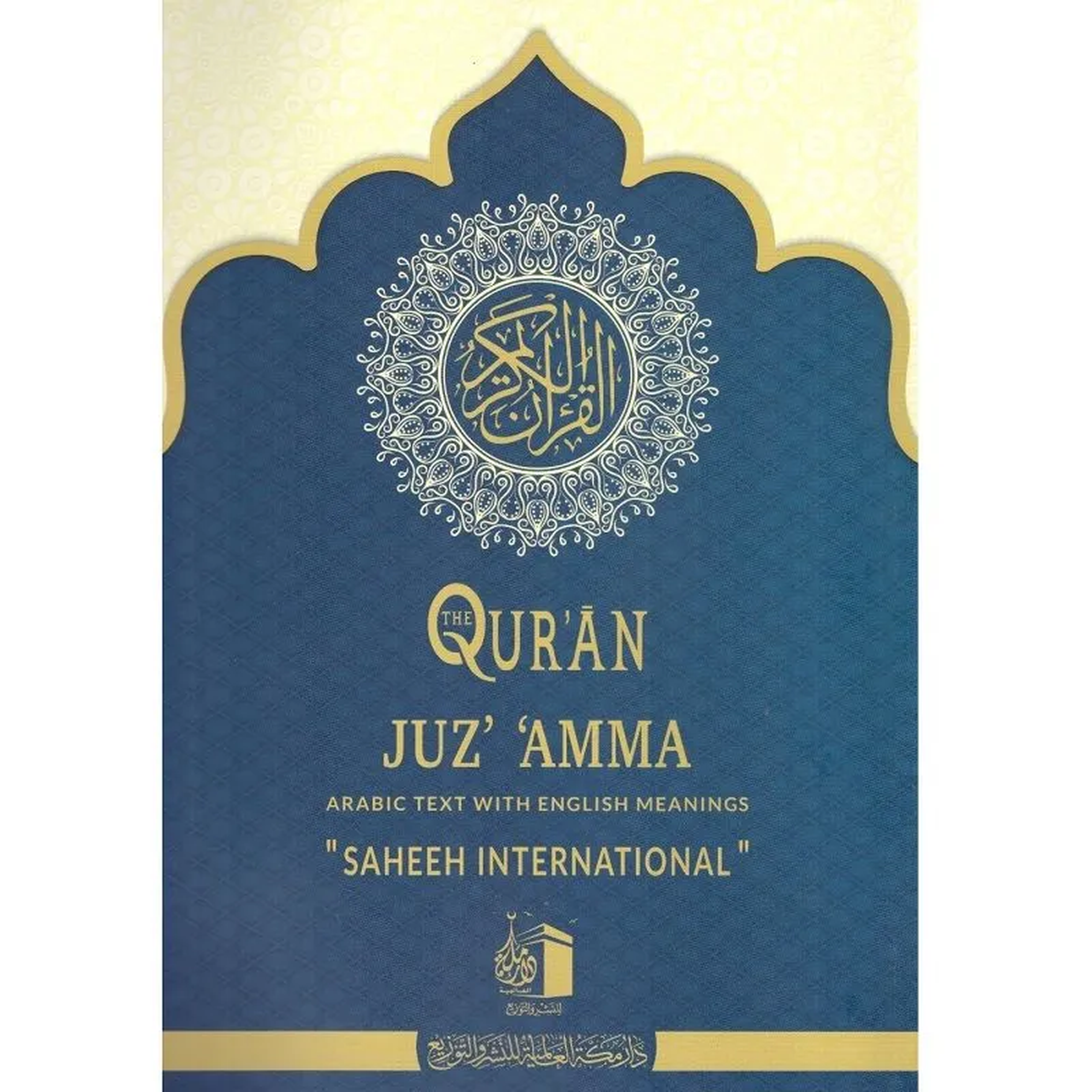
The Quran: Juz Amma Arabic Text With English Meanings
KES 1,000.00
Last Juz of the Quran, contains Surah’s an-Naba to surah an-Nas. Ideal for madrasas as it contains blank lined pages perfect for student notes.
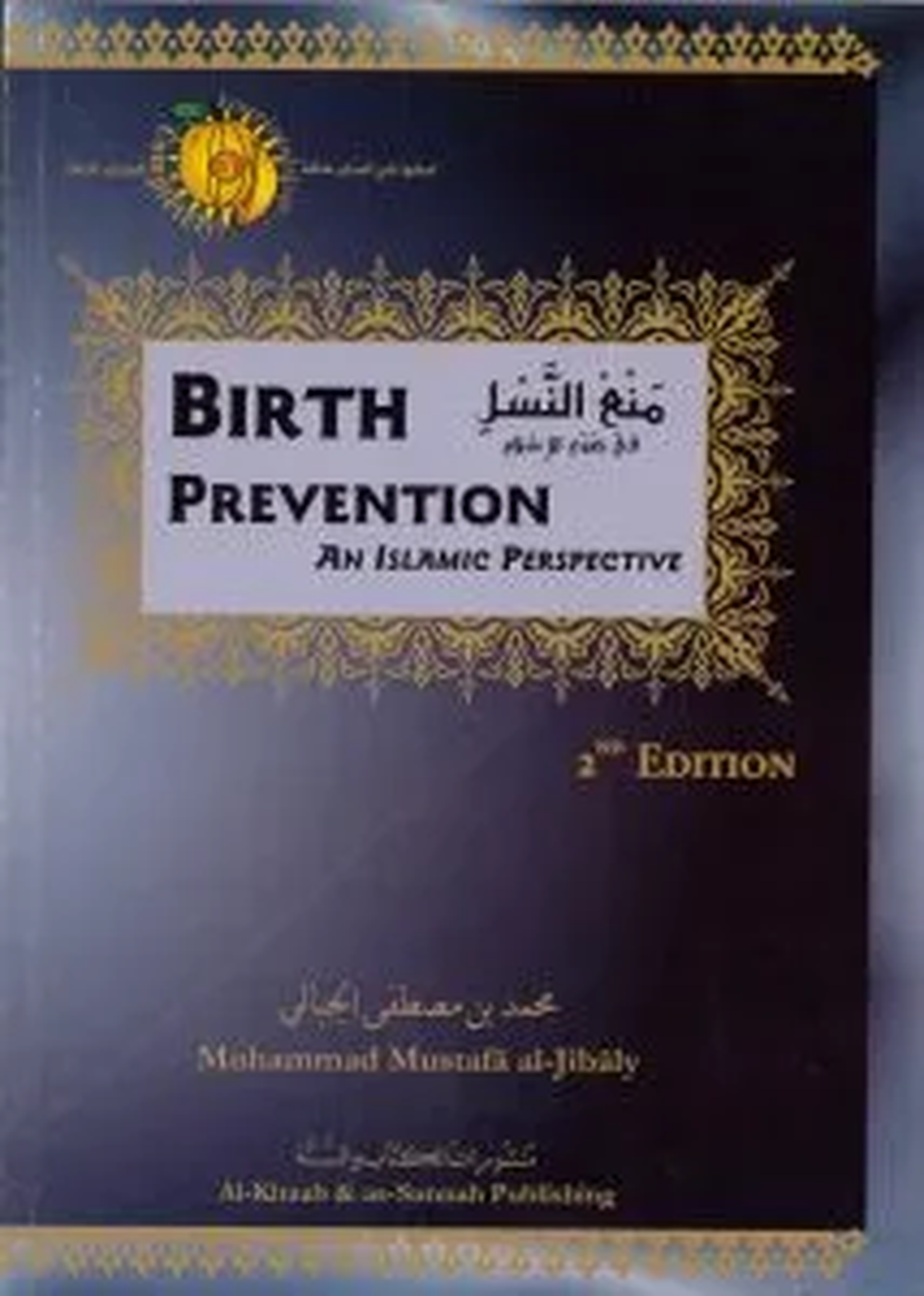
Birth Prevention an Islamic Perspective by Muhammad al-Jibali
KES 1,700.00
The purpose of this series, enter in to islam completely, is to present some unduly belittled issues, prove their value, and discuss their regulations.
This book presents a comprehensive Islamic understanding of birth prevention and other related issues. It first establishes the Islamic view of procreations. This is followed by an overview of birth prevention methods, old and modern.
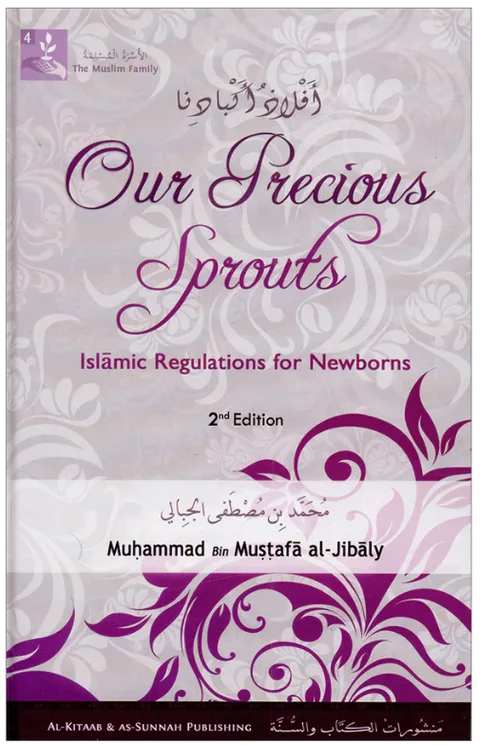
Our Precious Sprouts by Muhammad al-Jibali
KES 3,000.00
Marital Intimacy According to the Pure Sunnah – Marriage Series (Part-2).
The Muslim Family by Muhammad al-Jibaly.
Publisher: Al-Kitaab & as-Sunnah Publishing.
About the Book:
Marriage holds a position of perpetual significance because of the central role it plays in human life. It is not surprising, therefore, that the scholars of Islam have discussed it extensively through the ages. Under the contemporary influence of non-Islamic cultures, however, misconceptions have crept into various areas of Islam – spilling into marriage, divorce, and other family-related matters.
Viewing the needs of the Muslims who live in non-Islamic environments, and realizing that most Islamic writings on marriage are restricted in scope, we find quite a large gap that needs to be filled for the benefit of the English-speaking Muslims – which is what we attempt to accomplish over the span of this 3-book- set that covers various aspects of marriage according to the authentic Sunnah:
1. The Quest for Love & Mercy.
Regulations for Marriage & Wedding in Islam. Discusses the importance and advantages of marriage, selecting a spouse, the courting process, the marriage contract, celebrating the wedding, the walimah, and forbidden marriages. It provides a practical procedure for performing the marriage contract, and includes a sample marriage certificate.
2. Closer than a Garment.
Marital Intimacy According to the Pure Sunnah. Discusses the proper etiquettes of marital intimacy, forbidden acts of intimacy, zina and birth control. It answers many frequently-asked questions about various acts of intimacy.
3. The Fragile Vessels.
Rights and Obligations between the Spouses in Islam. Discusses the rights and obligations of the two spouses. It includes brief biographies of the Mothers of the Believers, realistic pictures from the life of the Prophet (pbuh) with his wives, and a complete discussion of the hadith of Umm Zar.
The Muslim Family by Muhammad al-Jibaly.
Publisher: Al-Kitaab & as-Sunnah Publishing.
About the Book:
Marriage holds a position of perpetual significance because of the central role it plays in human life. It is not surprising, therefore, that the scholars of Islam have discussed it extensively through the ages. Under the contemporary influence of non-Islamic cultures, however, misconceptions have crept into various areas of Islam – spilling into marriage, divorce, and other family-related matters.
Viewing the needs of the Muslims who live in non-Islamic environments, and realizing that most Islamic writings on marriage are restricted in scope, we find quite a large gap that needs to be filled for the benefit of the English-speaking Muslims – which is what we attempt to accomplish over the span of this 3-book- set that covers various aspects of marriage according to the authentic Sunnah:
1. The Quest for Love & Mercy.
Regulations for Marriage & Wedding in Islam. Discusses the importance and advantages of marriage, selecting a spouse, the courting process, the marriage contract, celebrating the wedding, the walimah, and forbidden marriages. It provides a practical procedure for performing the marriage contract, and includes a sample marriage certificate.
2. Closer than a Garment.
Marital Intimacy According to the Pure Sunnah. Discusses the proper etiquettes of marital intimacy, forbidden acts of intimacy, zina and birth control. It answers many frequently-asked questions about various acts of intimacy.
3. The Fragile Vessels.
Rights and Obligations between the Spouses in Islam. Discusses the rights and obligations of the two spouses. It includes brief biographies of the Mothers of the Believers, realistic pictures from the life of the Prophet (pbuh) with his wives, and a complete discussion of the hadith of Umm Zar.
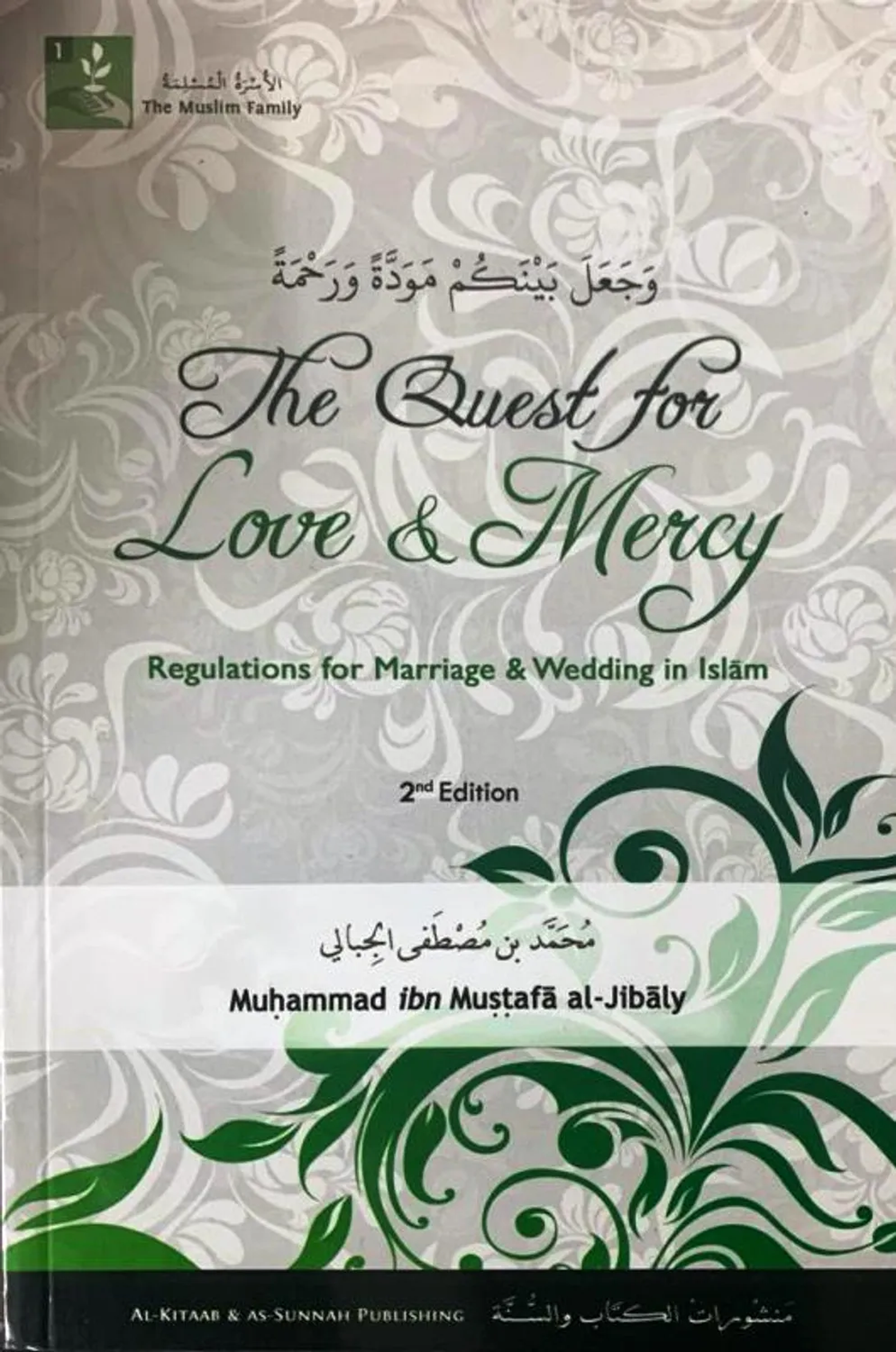
The Quest for Love & Mercy (Marriage & Wedding in Islam) by Muhammad al-Jibali
KES 2,700.00
The Quest for Love & Mercy (Marriage & Wedding in Islam)
This is one of a 3-book series covering various aspects of marriage according to the authentic Sunnah. Marriage plays a most central role in the human life, and has been largely discussed by the scholars of Islam through the ages, resulting in numerous writings and treatises. Some of those writings, mostly by contemporary scholars, have been translated into English. However, we find them restricted in scope, addressing Muslims who live in predominantly Islamic countries, or overlooking important real issues that have developed under modern civilization. This leaves quite a large gap that needs to be filled for the benefit of the Muslims in English-speaking countries, and this is what we attempt to fulfil over the span of three books.”
This is one of a 3-book series covering various aspects of marriage according to the authentic Sunnah. Marriage plays a most central role in the human life, and has been largely discussed by the scholars of Islam through the ages, resulting in numerous writings and treatises. Some of those writings, mostly by contemporary scholars, have been translated into English. However, we find them restricted in scope, addressing Muslims who live in predominantly Islamic countries, or overlooking important real issues that have developed under modern civilization. This leaves quite a large gap that needs to be filled for the benefit of the Muslims in English-speaking countries, and this is what we attempt to fulfil over the span of three books.”
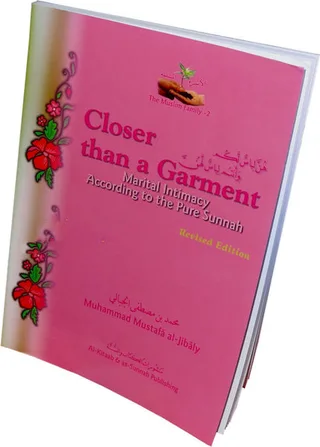
Closer than a Garment by Muhammad al-Jibali
KES 2,600.00
Closer than a Garment
Marital Intimacy According to the Pure Sunnah – Marriage Series (Part-2)
The Muslim Family by Muhammad al-Jibaly
Publisher: Al-Kitaab & as-Sunnah Publishing
About the Book:
Marriage holds a position of perpetual significance because of the central role it plays in human life. It is not surprising, therefore, that the scholars of Islam have discussed it extensively through the ages. Under the contemporary influence of non-Islamic cultures, however, misconceptions have crept into various areas of Islam – spilling into marriage, divorce, and other family-related matters.
Viewing the needs of the Muslims who live in non-Islamic environments, and realizing that most Islamic writings on marriage are restricted in scope, we find quite a large gap that needs to be filled for the benefit of the English-speaking Muslims – which is what we attempt to accomplish over the span of this 3-book- set that covers various aspects of marriage according to the authentic Sunnah:
1. The Quest for Love & Mercy – Regulations for Marriage & Wedding in Islam.
Discusses the importance and advantages of marriage, selecting a spouse, the courting process, the marriage contract, celebrating the wedding, the walimah, and forbidden marriages. It provides a practical procedure for performing the marriage contract, and includes a sample marriage certificate.
2. Closer than a Garment – Marital Intimacy According to the Pure Sunnah.
Discusses the proper etiquettes of marital intimacy, forbidden acts of intimacy, zina and birth control. It answers many frequently-asked questions about various acts of intimacy.
3. The Fragile Vessels – Rights and Obligations between the Spouses in Islam.
Discusses the rights and obligations of the two spouses. It includes brief biographies of the Mothers of the Believers, realistic pictures from the life of the Prophet (pbuh) with his wives, and a complete discussion of the hadith of Umm Zar.
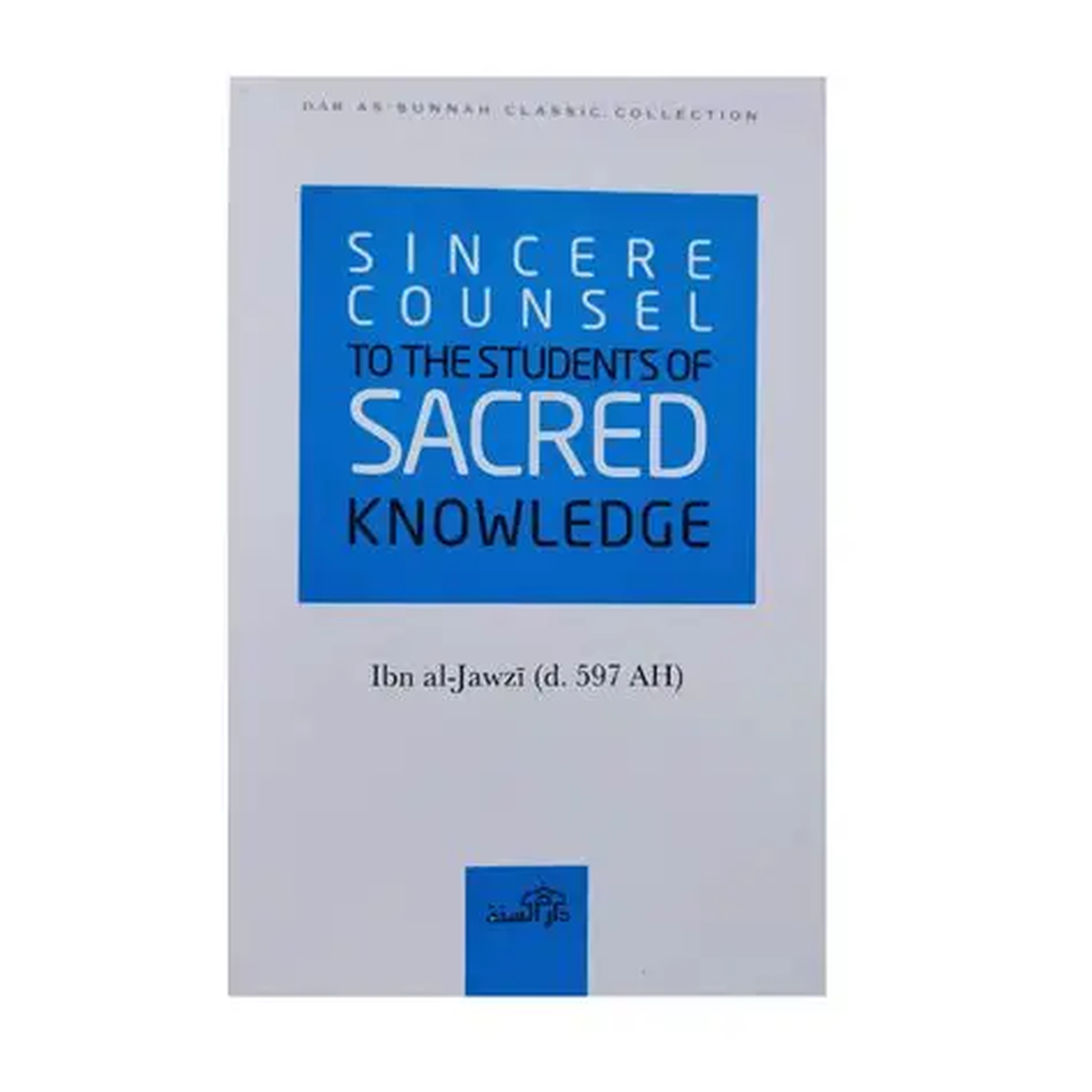
Sincere Counsel To the Seekers of Sacred Knowledge
KES 2,000.00
Sincere Counsel To the Seekers of Sacred Knowledge : Sincere Counsel To The Students of Sacred Knowledge By : Ibn al-Jawzi (D.597 AH) Sincere Counsel To the Students of Sacred Knowledge by Shaikh ibn al-jawzi The challenges of parenthood are experienced by all and many times a parent is hard put to ascertain the correct course of action in bringing up a child in the correct Islamic manner or when required, disciplining that child.
By : Ibn Al-Jawzi
Publisher : Dar Us-Sunnah
Pages : 160 (PAPAERBACK)
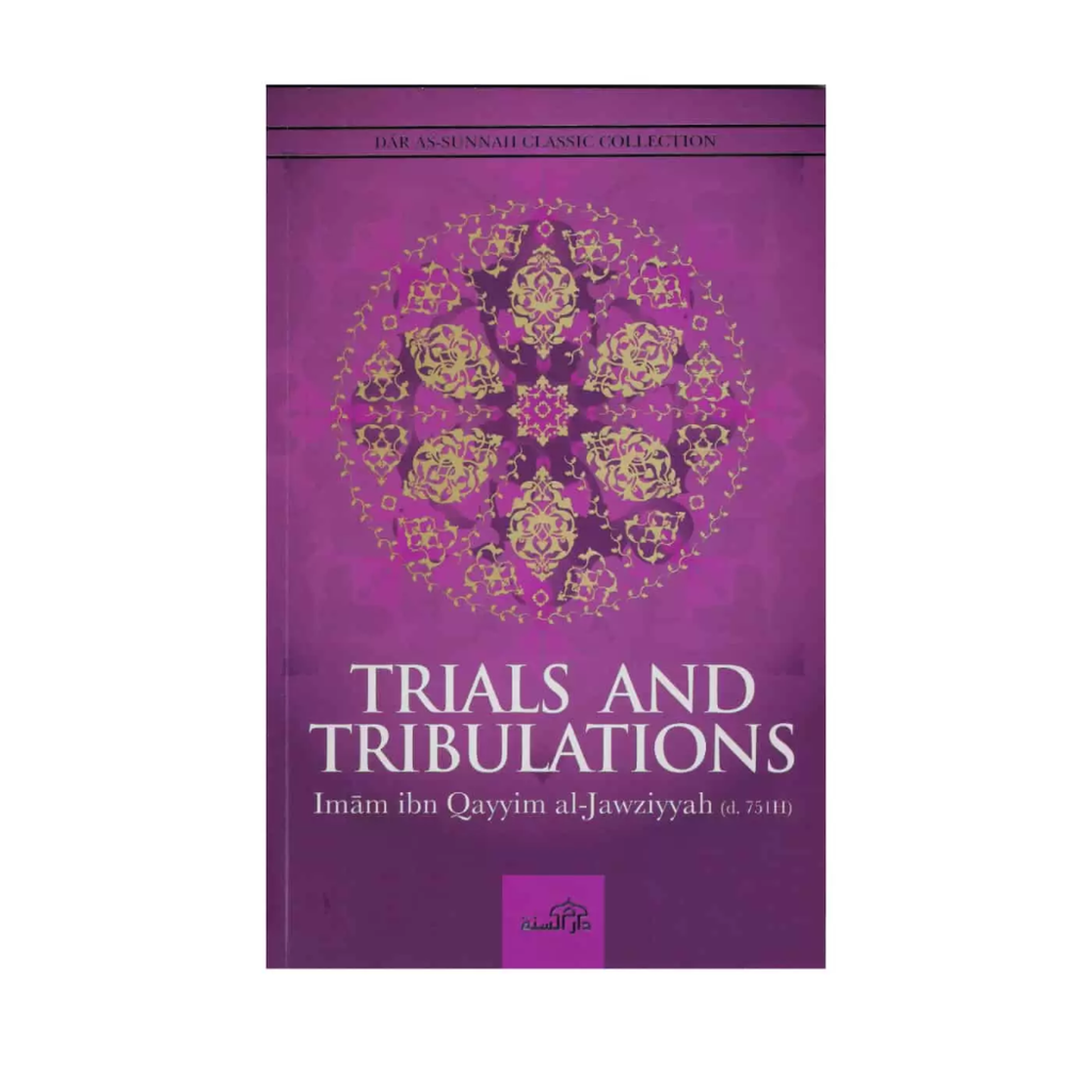
Trials and Tribulations
KES 1,700.00
Trials and Tribulations By Imam ibn Qayyim al-Jawziyyah (d. 751H) With appendix from the work of al-Imam al-Izz bin Abd as-Salam (d. 660 H)(d. 751H)
A believer may face many trials and tribulations that test his faith, patience and endurance.
In a world full of conflict and war, with many also suffering from personal and family
problems, Shaytān causes a person to question many things. If a Muslim is tried with a
difficulty, then the reasons for this are many – including one’s own sin, which arises from
leaving something obligated in Islām or committing an act that is prohibited. Trials are
also a means of Allāh purifying and aiding His servants, ennobling them and granting well-
being through His Wisdom. The most severely of those who were tried were the Prophets
and then those closest to them in following their guidance.
The Companions of Prophet Muhammad men suffered at the hands of their enemies; they
were eventually forced from their homes, leaving their possessions behind. The enemies
multiplied, and on occasions, they were physically overcome and defeated, with many
martyred. The Messenger of Allāhvern himself received an injury while his enemies rejoiced
and his associates despaired. They lived in a constant state of fear, destitution and poverty
– tying rocks to their stomachs out of severe hunger.
The state of hardship causes the servant to turn to Allāh, Mighty and Magnificent. Often
the state of ease, well-being and blessings cause a person to turn away from Allāh. In
tribulations, trials, misfortunes and calamities lay numerous wisdom and benefits, having
differing degrees of relevance, in accordance to the various ranks of people. Some believers
are afflicted with tribulation to such an extent that they end up walking on the earth with
no trace of sin remaining on them.
This amazing work deals with many aspects of trials and tribulations, including realising the
greatness of Allāh, showing humility and patience, increasing in sincerity and servitude for
Allāh, returning to supplication, hoping for expiation of sins and many other benefits. This
work is intended to boost one’s faith and aid every reader in developing an understanding on
how to better accustom themselves in times of calamities and refine their character.
The author, Imām Ibn Qayyim al-Jawziyyah (d. 751H), was one of the most prolific scholars of
Islām. His inimitable and distinct understanding of Qur’ān and Hadīth was acknowledged
by his peers, while his commentaries and interpretations remain unique in accuracy. He
studied under Shaykh al-Islām Ibn Taymiyyah for sixteen years and accompanied him until
the latter’s death. He authored over sixty works, covering a multitude of Islāmic sciences;
many of his writings are characterised by their touching address to the heart and soul. He was
deeply pious and took great care in how he utilised his time.